How Does Polyethylene Get Its Color?
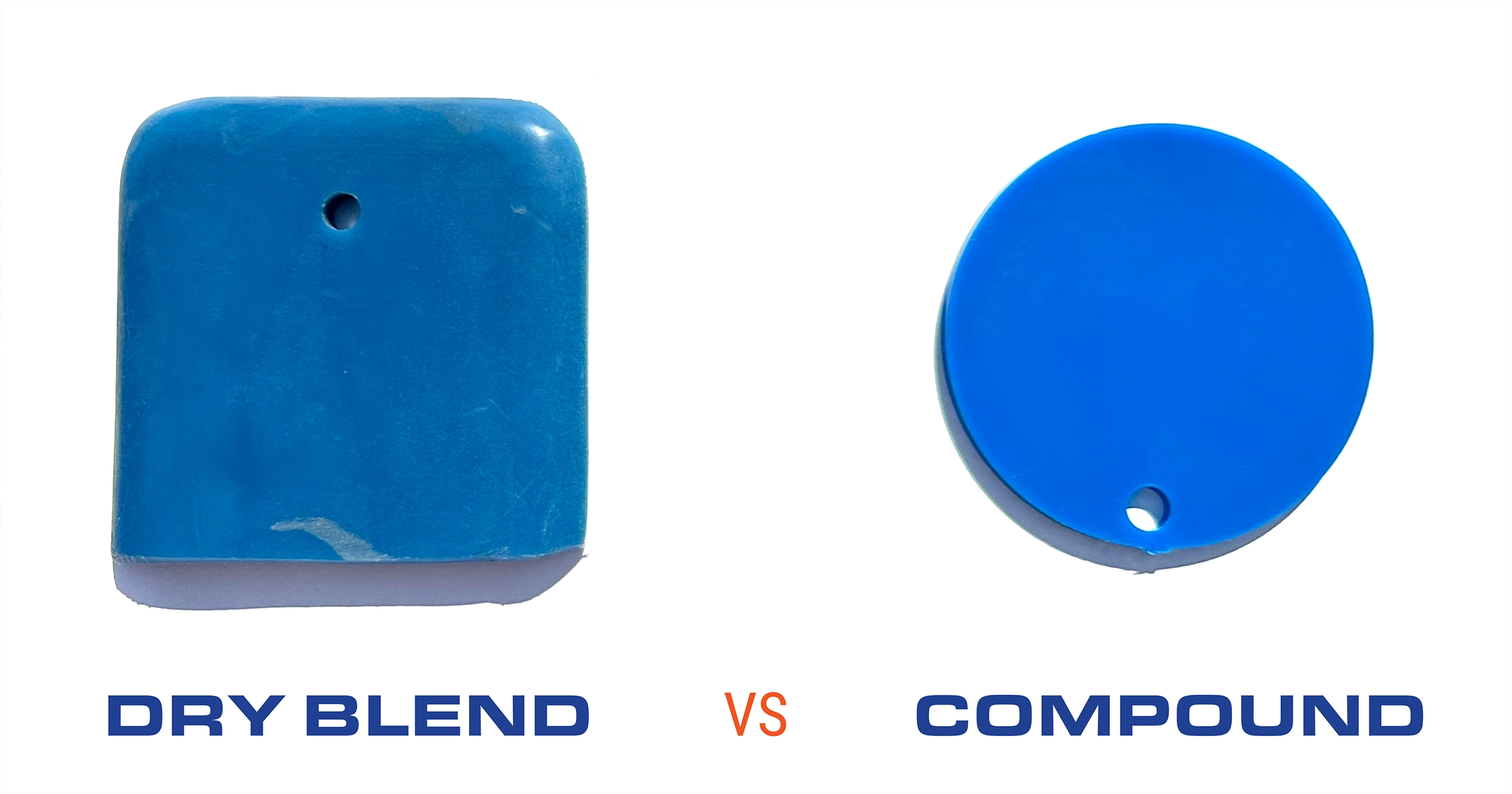 Polyethylene does not naturally come in different colors. In its raw form, it is a translucent, milky white material. The color you see in finished plastic products comes from added pigments.
These pigments are tiny particles that are mixed into the polyethylene. They do not chemically change the material. Instead, they are physically dispersed throughout it.
When light hits the surface of the product, it reflects off these pigment particles, creating the color you see.
The quality of that color depends on how evenly those pigment particles are distributed. Smaller, well-dispersed particles create a more consistent and vibrant appearance.
What Are the Best Ways to Mix Pigments with Polyethylene?
In rotational molding, both polyethylene and pigments are typically used in powder form. Because of this, the way they are mixed plays a major role in both color quality and material performance.
There are three common mixing methods:
Paddle or ribbon mixing: A basic and cost-effective method. Pigment distribution is less uniform, which can lead to variation in color.
High-intensity dry blending: A more advanced method that improves pigment dispersion and produces more consistent color.
Melt compounding: The most controlled method. Pigments are blended into the material while it is molten, resulting in the most uniform color and best overall performance.
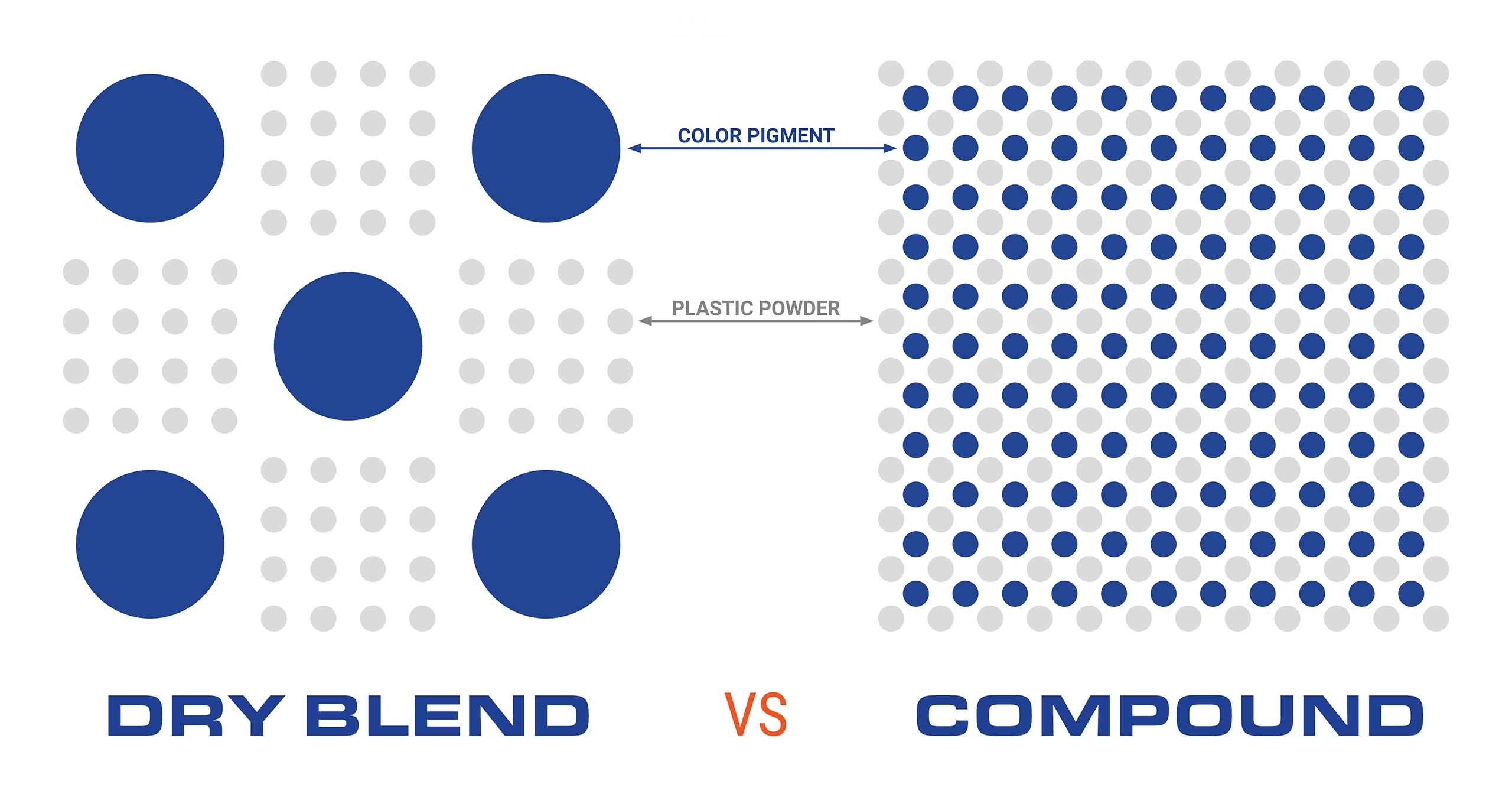 As mixing quality improves, pigment particles become more evenly distributed. This leads to stronger color consistency and helps maintain the material’s impact strength.
Poor pigment distribution can affect both appearance and durability, which is why mixing method matters more than many people realize.
How Does Sunlight Affect Polyethylene Color?
Sunlight can have a significant impact on the color of polyethylene products, especially in outdoor applications.
A common misconception is that UV stabilizers in polyethylene protect the color of the product. In reality, these additives are designed to slow down the degradation of the plastic itself, not prevent color fading.
Color stability depends on the pigment.
If a product will be exposed to sunlight for extended periods, the pigments used must be light-stabilized. Without this, colors can fade over time, even if the base material remains structurally sound.
For outdoor applications, it is important to select pigments specifically designed for UV resistance. This is typically determined in collaboration with the pigment supplier.
How Is Color Added in Other Plastic Manufacturing Processes?
Different plastic manufacturing processes handle color differently.
In processes like injection molding, blow molding, and extrusion, the material is melted in a heated barrel before being formed into a product. Pigment is added into that molten material and mixed by a screw inside the machine.
Because these systems process large volumes of material at once, changing colors requires clearing out the previous material, cleaning the system, and then introducing the new color. This can take time and is one reason these processes often run longer production batches for each color.
Rotational molding works differently.
In rotational molding, the material and pigment are loaded directly into the mold as a dry blend. The mold is then heated, and the material melts inside it. Since only the material inside the mold is processed, color changes can be made by cleaning the mold between runs rather than purging an entire system.
This makes rotational molding especially well-suited for shorter production runs and custom color variations.
Why Color Consistency Matters in Rotational Molding
Color in polyethylene products is not just about appearance. It also reflects the quality of material preparation and processing.
Well-dispersed pigments create a clean, uniform look and help maintain the material’s performance. Poorly mixed pigments can lead to streaking, uneven color, and reduced durability.
Small details in how materials are prepared can make a noticeable difference in how a finished product looks and performs over time.
Frequently Asked Questions
Does polyethylene naturally have color?
No. Polyethylene is naturally a translucent white material. Color is created by adding pigments.
What determines how strong or vibrant the color looks?
Color quality depends on how evenly pigment particles are distributed throughout the material. Better dispersion results in more consistent and vibrant color.
Do UV additives prevent color fading?
No. UV additives protect the material from degradation, not the pigment. Color stability depends on using light-stabilized pigments.
Why is color easier to change in rotational molding?
In rotational molding, material is loaded directly into each mold. This allows color changes to be made by cleaning the mold between runs instead of purging an entire machine.

WE'VE BEEN DOING THIS FOR A WHILE
Call us first, because if we can't solve your problem, we'll tell you who can.