What Is Rotational Molding Used For? Common Applications and Examples
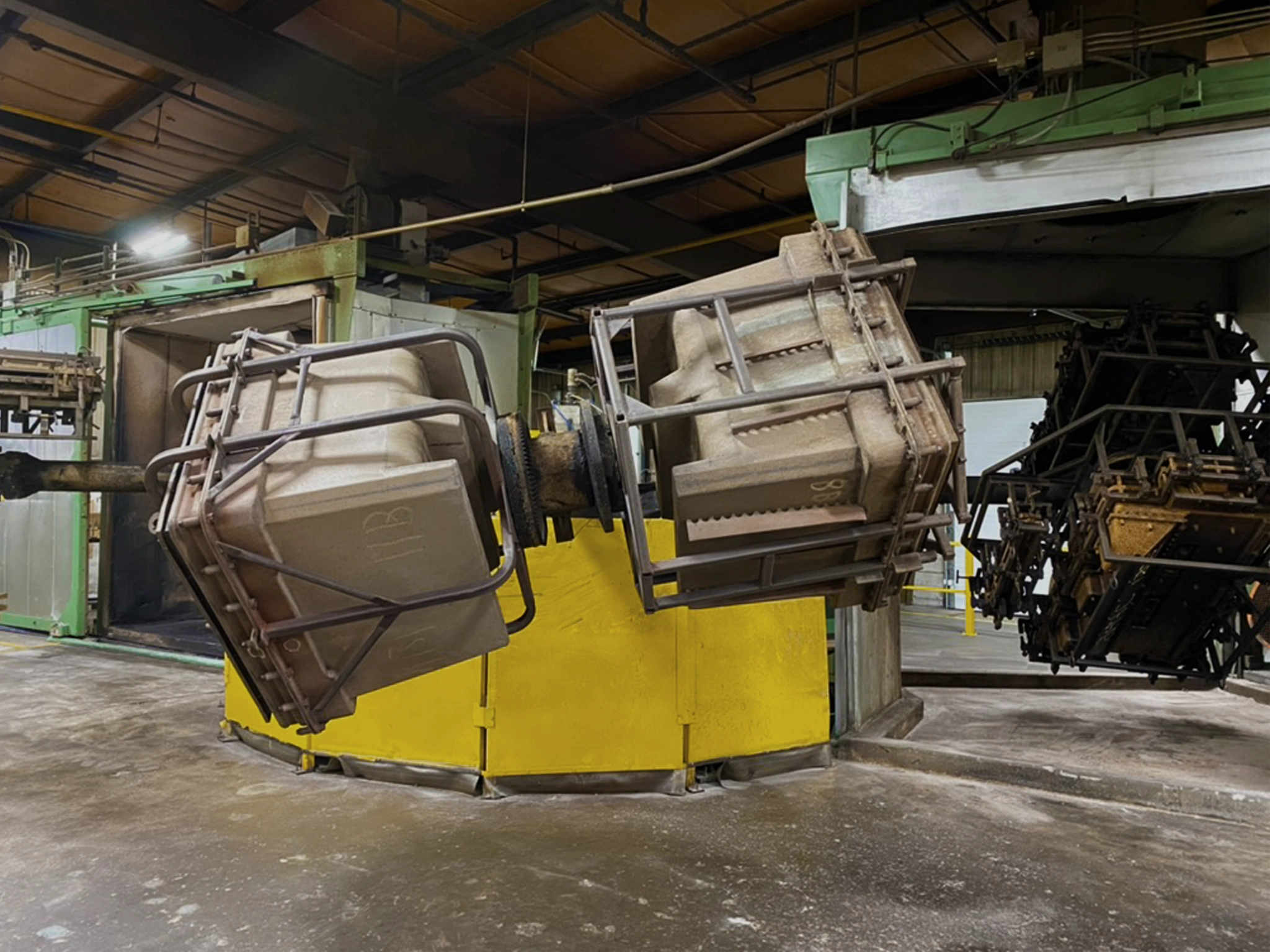 Rotational molding, often called rotomolding, is a plastic manufacturing process used to make durable hollow parts. It is commonly used for products like industrial containers, storage tanks, playground equipment, and water-filled construction barricades.
Unlike many other plastic manufacturing methods, rotational molding creates parts as a single, seamless piece. That makes it especially useful for products that need to handle impact, outdoor exposure, and repeated use over time.
From agriculture and construction to material handling and marine environments, rotomolded products are often chosen because they are built to last in real-world conditions.
In this guide, we’ll focus on what rotational molding is used for, the types of products it creates, and why manufacturers rely on this process for certain applications.
What Is Rotational Molding Used For?
Rotational molding is used to manufacture hollow plastic products that require durability, impact resistance, and seamless construction.
Because the process forms parts with no weld lines or seams, it works especially well for products that need to perform reliably in demanding environments.
Common rotomolded products include:
Industrial plastic bins and material handling containers
Water-filled construction barricades
Storage tanks and agricultural containers
Outdoor recreational equipment
Playground structures
Marine components and fuel tanks
To understand why this process is used for these types of products, it helps to have a basic understanding of how it works.
How Rotational Molding Works (Overview)
Rotational molding creates hollow plastic parts by heating and rotating a mold filled with plastic powder. As the mold turns on two axes, the material melts and coats the interior surface evenly.
The result is a seamless part with consistent wall thickness and strong corners—qualities that are difficult to achieve with many other manufacturing methods.
This even material distribution is what gives rotomolded products their durability and long service life.
For a full step-by-step breakdown of the process, including heating, rotation, cooling, and part removal, see our complete guide to What Is the Rotational Molding Process.
Why Rotational Molding Is Used for These Products
Rotational molding is commonly chosen because it produces parts that hold up well in real-world conditions.
Products made using this process typically have:
Seamless one-piece construction
Consistent wall thickness
Strong corners and reinforced stress points
Good impact resistance
Long service life outdoors
These characteristics make rotational molding a practical solution for products that need to be durable, reliable, and easy to maintain over time.
What Materials Are Used in Rotational Molding?
The majority of rotationally molded parts are produced using polyethylene. In fact, roughly 90–95% of rotomolded products are made from polyethylene in various densities.
Polyethylene works well for rotational molding because it melts and flows evenly during heating while maintaining durability and impact resistance once formed.
Other materials that can be used include:
PVC (polyvinyl chloride)
Polypropylene
Nylon
Fluoropolymers such as PTFE
PFA
The material selected depends on the performance requirements of the final product.
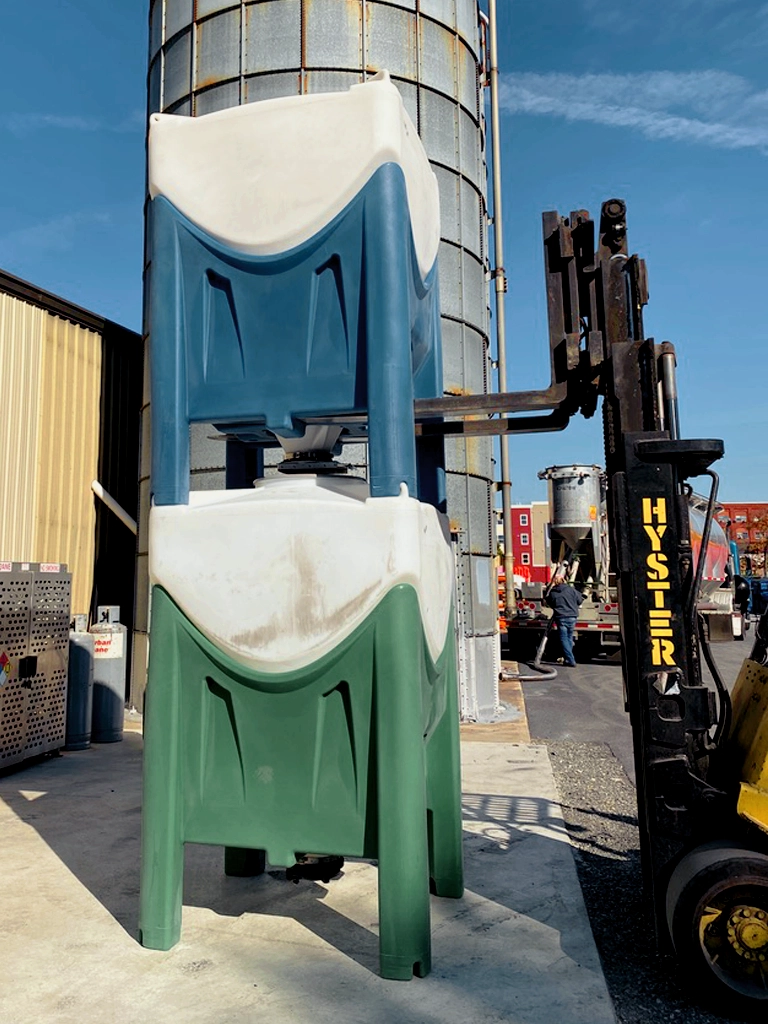
Real-World Applications of Rotational Molding
Rotational molding is used across a wide range of industries. Some of the most common applications include:
Industrial material handling containers
Water-filled construction barricades
Agricultural tanks and feed containers
Outdoor recreational equipment
Playground components
Marine products
Many of these applications require durability and long-term performance, which is why rotational molding is often the preferred manufacturing method.
Frequently Asked Questions
Why is rotational molding good for hollow parts?
Rotational molding evenly coats the inside of a mold as it rotates during heating. This allows manufacturers to create hollow parts without seams, improving strength and durability.
What material is most commonly used in rotational molding?
Polyethylene is the most widely used material because it flows well during the process and provides excellent durability.
Can rotational molding produce large plastic parts?
Yes. Rotational molding is well suited for large hollow parts such as tanks, containers, and construction barricades.
Are rotomolded products durable?
Yes. The seamless construction and consistent wall thickness make rotomolded products highly durable.
People Also Ask
What products are made using rotational molding?
Rotational molding produces hollow plastic products such as industrial containers, storage tanks, barricades, playground equipment, and agricultural containers.
What industries use rotational molding?
Industries include agriculture, construction, marine manufacturing, material handling, and outdoor recreation.
What are the advantages of rotational molding?
Key advantages include seamless construction, consistent wall thickness, strong corners, and long-term durability.
Is rotational molding the same as rotomolding?
Yes. Rotomolding is simply a shortened term for rotational molding.
Conclusion
Rotational molding is a practical manufacturing process used to create durable hollow plastic products across many industries.
Its ability to produce seamless parts with consistent strength makes it especially useful for applications where reliability and long-term performance matter.
From industrial containers to construction barricades, rotational molding continues to be a dependable solution for real-world products.

WE'VE BEEN DOING THIS FOR A WHILE
Call us first, because if we can't solve your problem, we'll tell you who can.